
















Learning Through Data: From Measurement to Meaning
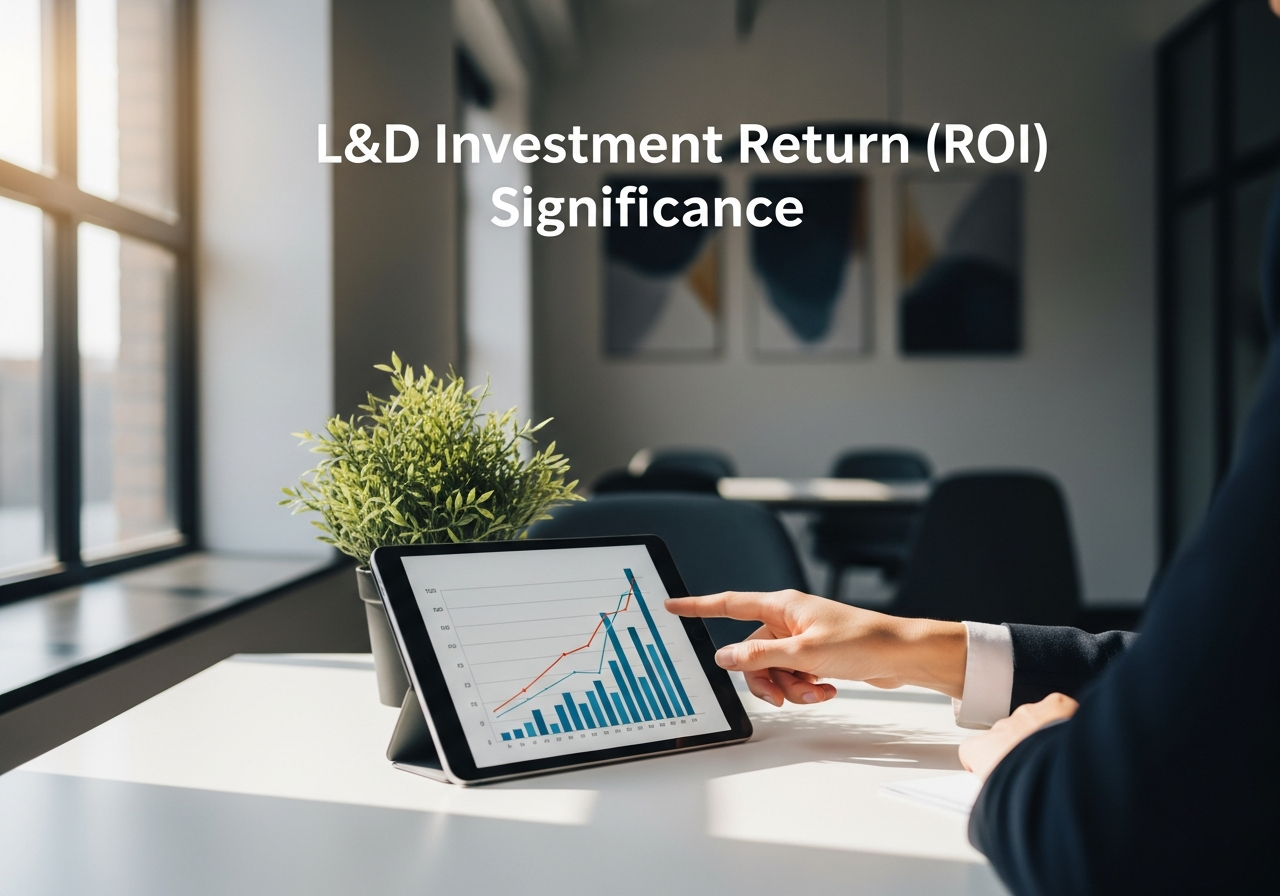
Learning analytics is no longer about tracking metrics — it’s about uncovering meaning. Discover how data can turn education into measurable, human-centered growth.
 TestEd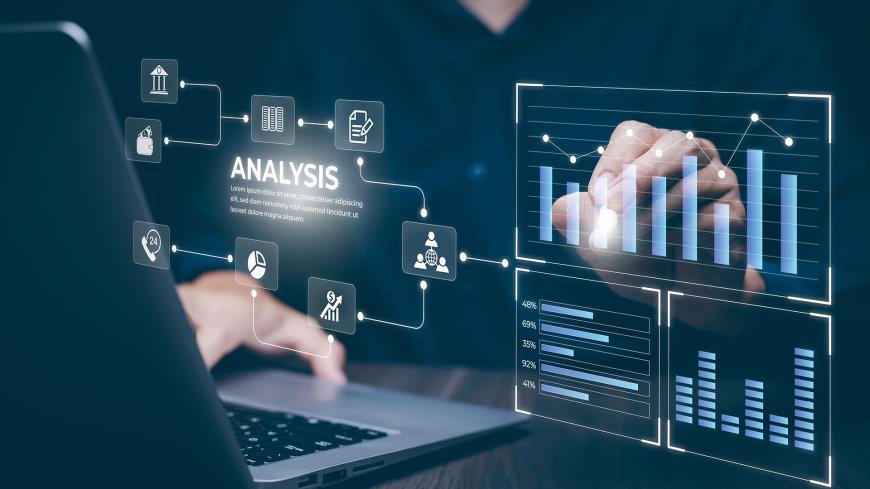
Every click, every interaction, every comment —
in modern learning ecosystems, everything leaves a data trail.
But amidst this flood of information, one question matters most:
How much of it do we truly understand?
Learning analytics has moved far beyond dashboards and completion rates.
It’s no longer about how much we can measure —
but how deeply we can interpret.
1. Numbers don’t tell the whole story
For years, organizations have measured training success through test scores and attendance reports.
But metrics alone can’t capture whether real learning happened.
Today’s analytics tools dig deeper:
they track engagement, behavior, and reflection.
They reveal where learners pause, what they revisit, and how they apply what they’ve learned.
Modern learning design doesn’t stop at “how many attended.”
It asks, “Who engaged, how, and why?”
Because meaningful learning isn’t about data points —
it’s about patterns of growth.
2. Beyond measuring — toward understanding
Data by itself is not insight; it’s raw potential.
Its real value emerges only when it’s transformed into meaning.
A company might know which courses employees complete,
but if it doesn’t understand why they chose them or how they use that knowledge,
then learning remains a surface-level exercise.
True learning analytics turns numbers into development maps —
visual stories that reveal strengths, interests, and growth opportunities.
Data takes the pulse of learning, but meaning sets the direction.
3. Ethics and trust in learning analytics
In the rush to measure everything, one thing must stay sacred: trust.
Modern learners don’t just care about what data is collected —
they care how it’s used.
When people know their data is used transparently — to help, not to judge —
engagement deepens, and learning becomes more authentic.
That’s why ethical data practices are no longer optional.
They’re part of a healthy learning culture that respects privacy as much as progress.
Numbers can be analyzed by algorithms,
but trust is built only by humans.
4. The human side of analytics
Technology gathers data.
AI processes it.
But only humans can give it meaning.
When instructors read analytics not as charts but as stories of progress,
when L&D leaders discuss insights rather than metrics —
that’s when data becomes learning.
The goal isn’t to measure for control,
but to understand for growth.
Data without meaning is just noise
Data is the engine of modern education —
but without purpose, it’s static.
What truly drives learning forward
is the ability to see beyond numbers and recognize human patterns, intentions, and potential.
If organizations can transform measurement into understanding,
then analytics stops being a reporting task
and becomes a mirror for human development.
“Learning through data” isn’t about counting clicks —
it’s about listening to people through their progress.
Prepared by TestEd — the Data-Driven Growth Platform.
Because learning isn’t just measured; it becomes meaningful when it drives growth.