











Learning Events vs. Learning Journeys: Designing for Real Impact
Learning events help teams align quickly, while learning journeys make behaviors stick. This article explains when to use each approach, shares a practical 30-60-90 day journey plan, and shows how to track behavior change with lightweight pulse checks (tested.com.tr).
 TestEd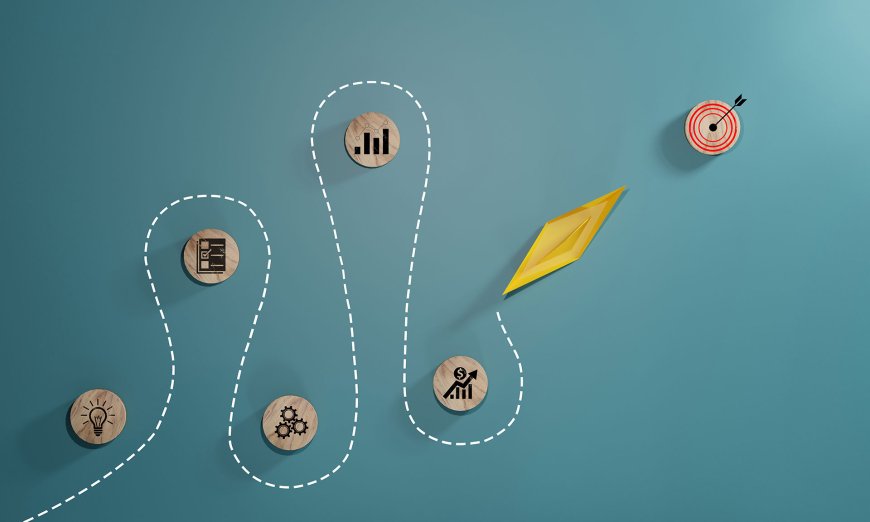
In many organizations, training starts with a simple idea:
“Let’s run a course, make it mandatory, and get it done.”
It’s not a bad intention. It’s practical: clear timelines, clear delivery, clear reporting. But sooner or later, reality shows up: training completion isn’t the same as behavior change. Especially when the goal is habits, decision-making, or day-to-day performance.
So let’s clarify a useful distinction:
When is a learning event the right answer—and when do you need a learning journey?
A simple definition
A learning event is a one-time intervention designed to align people quickly around a topic.
Think: policy updates, product updates, urgent awareness needs.
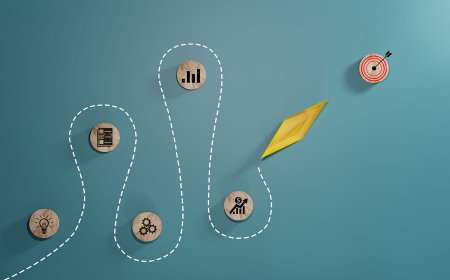
A learning journey is a time-based design that combines short learning pieces with reinforcement, workplace practice, and feedback.
Think: leadership skills, sales conversations, safety culture, customer experience behaviors.
Both matter. Most organizations need both. Problems begin when everything is designed as an “event.”
When learning events work best
A learning event is highly effective when:
-
You need fast alignment
Everyone must receive the same information at the same time. -
The topic is procedural and clear
Steps are defined, and “right vs. wrong” is easy to apply. -
Time is short and risk is high
A quick baseline is better than waiting.
The common mistake: treating “completed” as “learned.”
Events can be finished. But behavior change usually needs more.
When journeys become necessary
A journey approach is essential when:
-
The goal is behavior
Not just knowledge—different decisions in real situations. -
Gray areas exist
Learners face nuance, pressure, and context-specific choices. -
Practice is required
Skills strengthen through rehearsal, not just exposure.
A journey doesn’t mean longer courses. It means:
short learning + steady reinforcement + workplace application.
The “content is high, support is low” problem
Many teams create excellent content. But after the course, learners return to work with no reinforcement, no practice prompts, no feedback.
Journeys intentionally plan three supports:
-
reminders (keep key ideas alive)
-
application (small tasks to try on the job)
-
feedback (what good looks like, and how to improve)
A practical 30-60-90 day plan
Journeys can be simple:
First 30 days: clarity
-
3–4 short modules (6–8 minutes)
-
one decision scenario per module
-
weekly reinforcement (2–3 minutes)
60 days: practice and reinforcement
-
new scenarios in different contexts
-
two-minute manager prompts
-
small on-the-job tasks
90 days: measurement and iteration
-
where do teams get stuck?
-
which gray areas create the most risk?
-
what actually shifts decisions?
Measuring impact: the real question
The goal isn’t “did they finish?”
It’s: did decisions improve on the job?
The most practical method is lightweight pulse checks:
-
short scenario questions every few weeks
-
role-based decision items
-
repeated checks in varied contexts
On tested.com.tr, teams can run quick mini-assessments to track decision reflexes over time and improve the journey based on real data—turning learning into something you manage, not just deliver.
Editor’s note
Sometimes a learning event is exactly what you need—fast alignment, fast awareness.
But if behavior change is the goal, one shot rarely sticks.
A healthier model is: start with an event, then make it stick with a journey.