




















Education Tech 2026: Future Tools and Trends in Turkey
Explore the future of education tech in 2026, focusing on AI, VR/AR, microlearning, and data analytics tools. Get practical recommendations for organizations in Turkey to prepare for the future.
 Berkay Batallı
Introduction: Tools Shaping the Future of Education Technologies
The world of education and development is constantly evolving with the dizzying pace of technology. For learning and development professionals, corporate training managers, and Human Resources departments in Turkey, understanding what awaits us in education technologies in 2026 holds strategic importance.
In this content, we will explore the latest tools that will radically change learning experiences in the near future and how these tools will create an impact in the context of Turkey. Our aim is to provide concrete information to you, our valuable decision-makers, enabling you to take more prepared steps towards the future.
AI-Powered Personalized Learning Platforms
Adaptive Learning Paths and Smart Assistants
By 2026, Artificial Intelligence (AI)-powered platforms will reach their peak in personalizing learning experiences. These systems will analyze each learner's strengths and weaknesses, offering them customized, dynamic learning paths.
- Smart learning assistants, providing instant feedback on learner performance, will make learning more effective and efficient.
- Adaptive content delivery, adjusting to individual pace and learning style, will prevent boredom or falling behind.
- For example, in training created for a sales team, AI can analyze sales performance data to determine which employee needs more product knowledge or negotiation techniques, then recommend relevant modules.
Immersive Experiences with Virtual and Augmented Reality (VR/AR)
Realistic Simulations and Practical Training
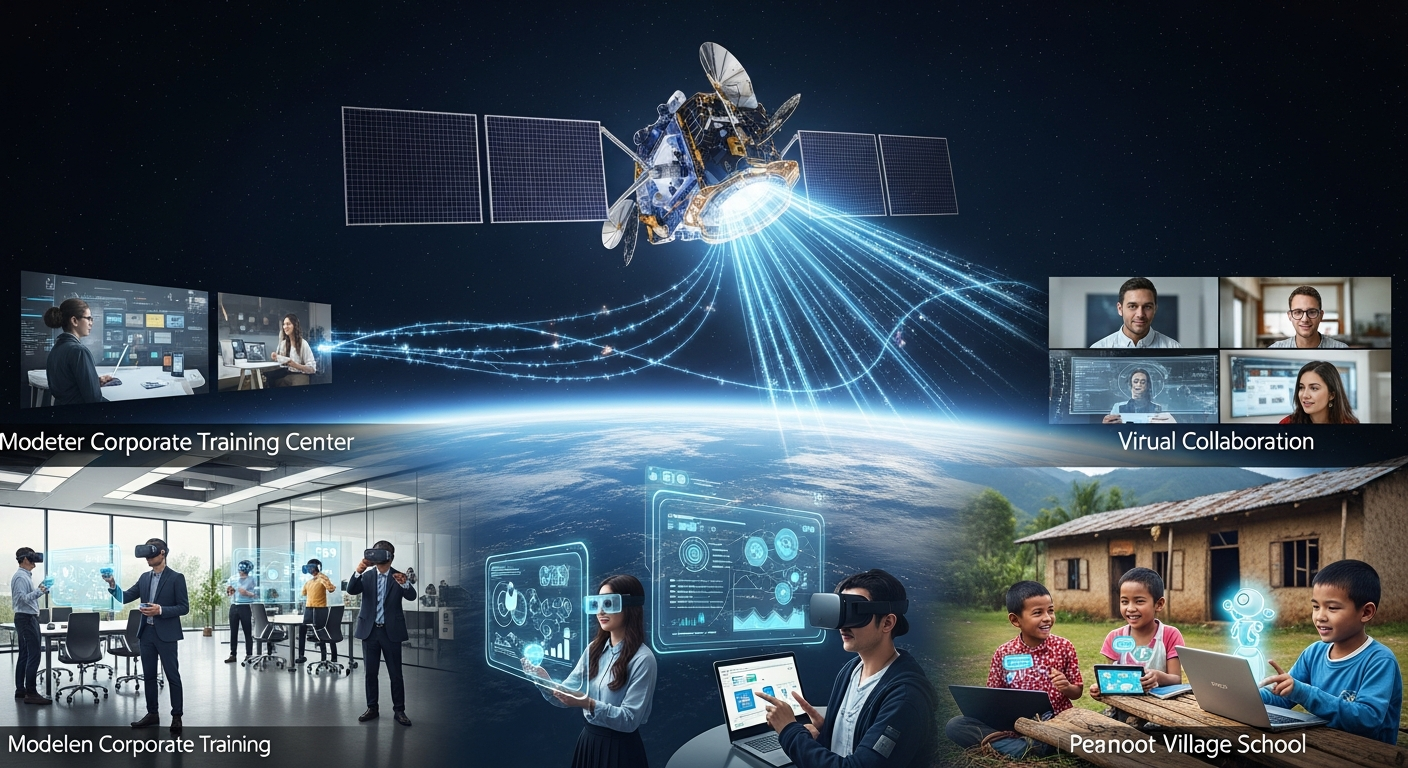
Virtual Reality (VR) and Augmented Reality (AR) technologies will be much more widely used in education by 2026. These technologies will offer unique and immersive environments to transform theoretical knowledge into practice.
- Simulations of dangerous or costly scenarios (e.g., emergency drills, complex machine maintenance) can be experienced safely and repeatedly in a virtual environment.
- Through AR applications, digital information can be overlaid onto real-world objects, providing instant support and training to field workers.
- In an automotive company, training for the assembly of a new engine can be visualized step-by-step with VR headsets, allowing employees to practice without the risk of making mistakes.
Microlearning and Adaptive Content Creation Tools
Fast, Focused, and Personalized Content
In today's fast-paced business world, learning that is short and concise is of great importance. By 2026, microlearning will become much more powerful by combining with AI-powered adaptive content creation tools.
- Education professionals will be able to produce fragmented content such as short videos, infographics, or interactive tests much faster and easier using these tools.
- Artificial Intelligence will be able to automatically segment or rearrange existing training materials according to the learner's needs, creating personalized microlearning modules.
- Accessible via mobile devices, this content will allow employees to access information when they need it, without interrupting their workflow.
Data Analytics and Learning Analytics Platforms
Measuring and Improving Training Effectiveness
In 2026, the success of learning and development strategies will largely depend on data analytics and learning analytics platforms. These tools will provide invaluable data for measuring the effectiveness of training, monitoring learner performance, and predicting future training needs.
- Clearly seeing the return on investment (ROI) of training programs will enable more informed investment decisions.
- By identifying which content is more effective and which topics are challenging, there will be an opportunity to continuously optimize training content.
- For example, in a bank's customer service representative training, by analyzing which modules lead to higher customer satisfaction scores, the most effective training approaches can be determined.
Turkey's Perspective: Adapting to the Future
For organizations in Turkey, adapting to these technologies presents both opportunities and challenges. Local learning and development professionals must closely follow these trends and develop strategies suitable for their own organizational needs.
- Cost and Infrastructure: While investing in new technologies may seem costly initially, it has high potential for increased efficiency and talent development in the long run. Necessary infrastructure investments and technology integration processes should be managed carefully.
- Human Resources: Investing in skilled Human Resources and training professionals who can effectively use these new tools is essential. Existing teams need to adapt to these technologies and enhance their competencies.
- Local Solutions: Entrepreneurs and technology companies in Turkey can make significant contributions to this adaptation process by offering cost-effective solutions that are compatible with local culture and business practices.
Conclusion and Action Recommendations: Be Ready for the Future
Leveraging the opportunities offered by education technologies in 2026 will increase organizations' competitiveness and support their employees' development. You too can take proactive steps to be part of this transformation.
- Start with Pilot Projects: Instead of large-scale investments, begin with small-scale pilot projects to test the suitability of technologies for your organization.
- Encourage Continuous Learning: Foster a culture open to change by ensuring your own teams are knowledgeable about new technologies.
- Form Strategic Partnerships: Collaborate with companies specializing in education technologies to access the latest solutions and benefit from their experience.
- Make Data-Driven Decisions: Use learning analytics tools to measure the impact of your training investments and continuously improve your strategies.
This rapid development in education technologies opens up new and exciting avenues for learning and development professionals. Start taking steps now to shape the future of education!