







AI & Learning: Transforming L&D with Music & Sound Innovation

AI innovations, integrating music and sound, are transforming Learning & Development. Explore how AI personalizes learning experiences and creates highly immersive corporate training.

AI & Learning: Transforming L&D with Music & Sound Innovation

The pace of digital transformation clearly indicates that Artificial Intelligence (AI) has become a decisive force in every sector of the business world today. Recent developments, in particular, reveal that AI is moving beyond text-based interactions, offering revolutionary innovations across a wide spectrum, from creativity to scientific research, from personal assistants to autonomous workflows. For organizations in Turkey, and especially for Learning & Development (L&D) and Human Resources (HR) professionals, these advancements hold the potential to reshape their strategies and operations. AI is no longer merely a tool for increasing efficiency; it is evolving into a transformative engine that personalizes learning experiences, accelerates research processes, and automates workflows. So, what changes will these new generation AI tools bring to the business world and learning ecosystems, and how will we adapt to this transformation?

How Will Artificial Intelligence Enrich Learning Experiences with Music and Sound?

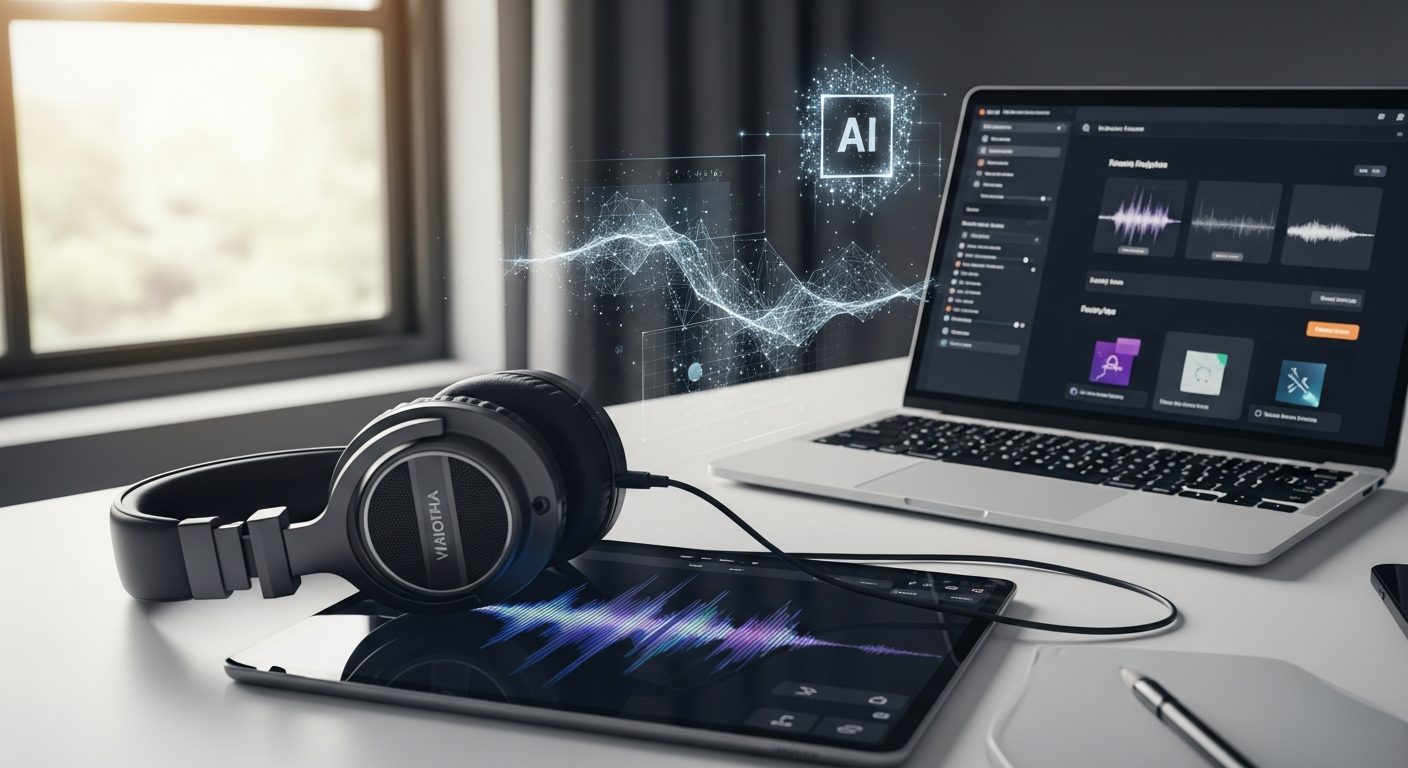
Google's AI model, Gemini, has recently attracted attention with its innovations, particularly in music and sound integration. This model, which has been in the spotlight with claims of "ushering in a music era," stands out with its "Veogram" feature, enhancing video quality and bringing sound integration. Furthermore, its Lyria RealTime API, which offers developers the ability to create real-time instrumental music, and its integration with platforms like Spotify and YouTube Music, reveal AI's potential in music production. With its capacity to generate melodies, lyrics, and arrangements, AI now even possesses the ability to mimic human voices.

New Dimensions for Learning and Development

What do these developments mean for Learning and Development professionals? We can utilize the power of sound and music much more effectively in corporate training. Imagine being able to create original, mood-appropriate background music for an e-learning module with just a few keywords. Or, when designing micro-learnings in a podcast series format, you can instantly generate generic music and sound effects with AI to enhance the content's dynamism. This can increase the emotional connection potential of training content, making learning experiences much more immersive and memorable.

For instance, when an organization launches a new leadership development program, specially composed, motivating, and inspiring music can be created for each stage of the program. This music can help participants focus while making learning materials more appealing. Furthermore, thanks to AI-powered sound integration, it may become possible to offer employees personalized audio feedback or customized learning playlists they can listen to while acquiring new skills. These approaches can significantly enhance the quality of training provided by organizations in Turkey to their employees, by transforming training from passive information transfer into active and multisensory experiences.

How Will AI Tools Supporting Scientific Research and Development Accelerate Learning Processes?

ChatGPT Prism, introduced by OpenAI, is an AI-powered workspace designed to modernize scientific research processes, powered by GPT-5.2. This tool integrates scientific paper writing, collaboration, and reasoning into a single cloud-based, LaTeX-supported platform. Instead of analyzing individual commands, Prism provides deeper and context-aware responses by evaluating entire datasets and knowledge structures. It allows researchers to explore ideas, refine arguments, create equations, and integrate literature within the overall context of their project.

Revolution in Knowledge Generation and Content Curation

Such AI tools can fundamentally change how Learning and Development departments and Human Resources professionals access, analyze, and produce content. The knowledge forming the basis of corporate training must be continuously updated and supported by the latest research. Tools like ChatGPT Prism can facilitate L&D professionals in rapidly scanning complex research papers, summarizing key findings, and integrating this information into training materials.

For example, an organization is developing a training program on next-generation leadership competencies. The L&D team, using this AI-powered tool, can scan the most current global leadership research, published case studies, and academic papers in seconds. Prism can make sense of this data, providing strong arguments and scientific evidence to support the program's content. Thus, while training materials are built on more robust foundations, preparation time is significantly reduced. Human Resources departments can also use these tools to deeply analyze current literature and best practices for talent management strategies, performance evaluation models, or employee satisfaction surveys. This will strengthen data-driven decision-making processes, helping organizations achieve their strategic goals.

What Opportunities Do AI Extensions Offer in Coding and Development Processes?

The integration of AI into the software development world is gaining a new dimension with tools like Claude Plugins. These extensions, which expand Claude Code with special functionalities, enhance its capabilities by adding custom slash commands, specialized agents, and hooks. Since these plugins can be shared across projects and teams, they are intended to provide consistent tools and workflows. Thanks to code intelligence plugins, Claude offers significant conveniences to developers with features like jumping to definitions, finding references, and spotting type errors immediately after edits.

AI Transforming Technical Training

Software development and technology competencies are critically important for organizations in Turkey on their digital transformation journeys. AI-powered coding tools can accelerate training and development processes in this field. Learning and Development departments can integrate tools like Claude Plugins into the software development training they design for technology teams. This can enable participants to write code faster, detect errors earlier, and collaborate more efficiently on complex projects.

For instance, a financial institution is organizing a training program for junior software engineers. In the program, students can be encouraged to engage in real-time coding practices using AI-powered coding assistants. AI can instantly identify code errors and offer correction suggestions, thereby shortening the learning curve and enriching the practical experience. Furthermore, in cases where in-house automation tools or Learning Management Systems (LMS) need to be developed and customized, AI-powered coding plugins can accelerate the development process, ensuring resource efficiency. In this way, organizations can both enhance the technical competencies of their employees and optimize their internal software development processes.

How Will Personal and Autonomous AI Agents Transform Our Work Life?

Some of the most exciting recent developments in AI are occurring in the field of personal and autonomous AI agents. Open-source personal assistants like ClawBot can perform various tasks by running on users' own devices (Mac, Windows, Linux, Android), such as managing emails, scheduling meetings, organizing files, executing terminal commands, and conducting internet research. Distinguished by its ability to take direct action, unlike chatbots, ClawBot enhances privacy by storing data on the user's own device.

On the other hand, Manus, a new generation AI agent from Meta (or according to some sources, of Chinese origin), is described as a "general AI agent." Manus not only thinks but also produces results and can automate workflows and execute complex decision-making processes without constant human intervention. Capable of integrating with 29 different tools and open-source software like web browsers, APIs, code execution, and document management, Manus operates cloud-based, completing tasks even if the user's device is off. Its ability to perform a wide range of tasks, such as creating presentations, designing websites, and producing images/videos, takes it beyond traditional AI assistants.

Efficiency, Personalization, and HR Process Automation

These autonomous AI agents have the potential to profoundly impact the way organizations in Turkey operate and the employee experience. For Human Resources and Learning & Development departments, this means increased efficiency, task automation, and personalized support.

For example, an HR professional can use an assistant like ClawBot to automatically categorize candidate emails during the recruitment process, organize interview dates, and send automated responses to candidates. This reduces the time spent on routine administrative tasks, allowing HR professionals to focus on more strategic and people-centric activities.

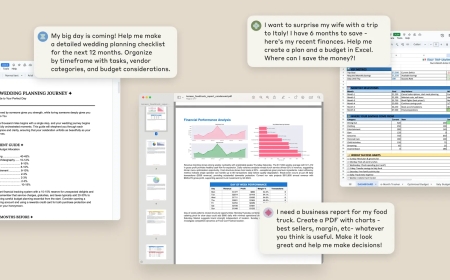
A more advanced AI agent like Manus, however, can automate much more complex processes. An HR manager might need to prepare a comprehensive needs analysis report for a new talent development program, then transform this report into a presentation, and even create visual and video content for the program's promotion. Manus can carry out each of these steps autonomously, in accordance with the parameters set by the manager. This not only accelerates processes but also significantly reduces workload without compromising consistency and quality.

In the field of Learning & Development, these agents can suggest personalized learning paths to employees, provide instant information on specific topics, and even facilitate learning by summarizing or converting learning materials into different formats. AI agents have the potential to create tailored training experiences by delivering content appropriate to each employee's individual learning pace and style. In this way, organizations in Turkey can both support the continuous development of their employees and enhance their operational efficiency.

How Should We Prepare for an AI-Powered Future?

Each of the AI tools mentioned above is groundbreaking in its own field. However, the common thread among all these developments is that AI is now at the center of business processes and learning experiences. For organizations in Turkey, this is not merely a matter of technological adaptation, but also an opportunity for strategic transformation. AI has evolved from being just a tool into a strategic partner that triggers creativity, deepens research, and automates workflows.

The Importance of Human-AI Collaboration

In this new era, the importance of the human factor is increasing even further. The speed and capacity offered by AI require us to focus more on human competencies such as creativity, critical thinking, emotional intelligence, and strategic problem-solving. Learning to collaborate with AI, interpreting data, asking AI the right questions, and deriving meaningful results from its outputs will be one of the most valuable competencies of the future.

Learning and Development departments play a key role in preparing employees for this new era. It is vital for organizations to design training programs that will increase AI literacy, develop skills for effective use of AI tools, and foster a culture of collaboration with AI. Human Resources departments, in turn, should update their talent management strategies according to these new skill sets, seek AI-compatible profiles in recruitment processes, and integrate employees' career development paths with the opportunities offered by AI.

Organizations in Turkey should embrace this AI wave not as a threat, but as a lever for growth and innovation. By leveraging the limitless potential offered by AI, they can create smarter business processes, offer more personalized learning experiences, and achieve a more competitive position. The future will be shaped by AI, and being at the forefront of this change will provide significant advantages to our organizations. Therefore, following the continuous evolution of AI, understanding new tools, and integrating them into our processes is no longer a choice, but a necessity.

EdTech Turkey Note

These developments indicate that AI is not only shaping the future but is already beginning to transform the daily workflows and strategic approaches of Learning and Development and Human Resources professionals. As EdTech Turkey, we believe in the importance of closely following this transformation and guiding our organizations in adapting to this new world.