















Meet Anthropic's New Claude Opus 4.6 Model!
Discover how Anthropic's new Artificial Intelligence model, Claude Opus 4.6, is revolutionizing the education technology sector by moving beyond coding to become an intelligent assistant.
 Edtech Türkiye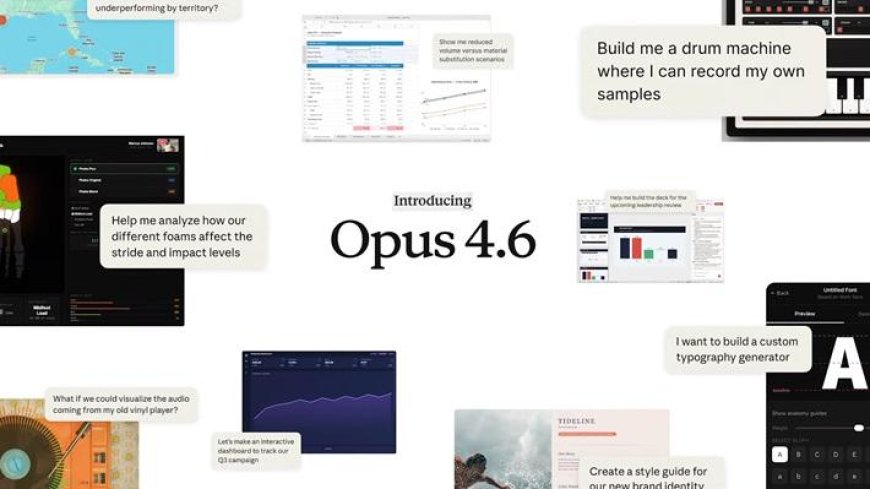
We're here with an exciting development from the world of educational technologies! Artificial Intelligence is no longer just a phenomenon circulating within the realm of technical teams or software developers. Scarcely a day goes by without us encountering a new Artificial Intelligence model that opens entirely new doors for our learning processes, corporate training, and even our daily professional lives. So, you might wonder why this recent news from the Anthropic camp has captured the attention of us, the EdTech Turkey team, so much?
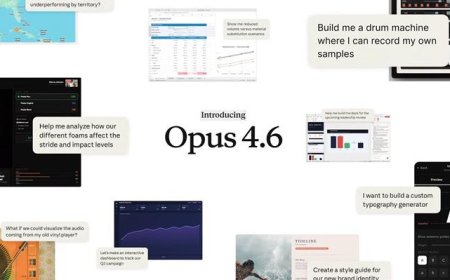
Recently, tech giant Anthropic announced its new model, Claude Opus 4.6, which has dropped like a bombshell onto the Artificial Intelligence scene. The company describes this model as its 'most intelligent Artificial Intelligence model' to date. The key point here is that it aims to appeal not only to developers but also to all professionals performing knowledge work beyond coding. So, as you can see, we will now feel the fingerprint of Artificial Intelligence in a much broader field.
A Vision Beyond Coding
This new version from Anthropic is a direct upgrade from its previous model, Opus 4.5. But don't expect a mundane update! Claude Opus 4.6 offers noticeable improvements, especially in complex and multi-step tasks. Imagine you're developing a learning platform or designing a corporate training program. Picture how much Artificial Intelligence can simplify the intricate processes you encounter during these endeavors.
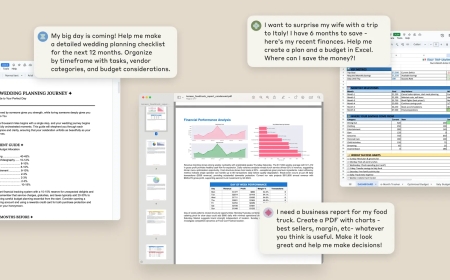
So, what exactly can this new model do? According to Anthropic's explanations, Claude Opus 4.6 can create content such as documents, spreadsheets, and presentations with near-production quality on the first attempt. What does this mean? It means the time you spend correcting errors is reduced, allowing you to direct your energy towards more creative and strategic tasks. For teachers preparing lesson materials or trainers creating interactive presentations, these capabilities can be a real lifesaver.
Implications for the Education Sector and Innovative Solutions
These multifaceted capabilities of Artificial Intelligence truly hold immense potential for the educational technologies sector. Claude Opus 4.6's strength, particularly in agentic coding — meaning Artificial Intelligence's ability to write its own code to achieve a specific goal — tool usage, search capabilities, and financial analysis, broadens the horizons of educators and EdTech companies.
When Learning Management Systems are integrated with such Artificial Intelligence models, providing students with personalized learning paths will become much easier. Artificial Intelligence can suggest content based on a student's performance, interests, and learning style, automatically grade assignments, and even provide feedback. Imagine, it's like assigning a personal tutor to every student!
A similar transformation is also occurring in corporate training. Companies are investing more in Artificial Intelligence-backed training programs to accelerate their employees' skill development and close skill gaps. Models like Claude Opus 4.6 not only create content but also allow employees to practice in real-world scenarios by generating simulations of complex business processes.
How Will the Classrooms and Workplaces of the Future Be Shaped?
Anthropic's move demonstrates that Artificial Intelligence is evolving from merely a “coding tool” into an “assistant that generates and processes information.” This development offers us clues about future education and business models. Perhaps very soon, we will enter an era where each of us works, learns, and develops far more efficiently thanks to Artificial Intelligence assistants. As EdTech Turkey, we will continue to closely follow developments on this exciting journey.
EdTech Turkey Editor Note
Anthropic's Claude Opus 4.6 model going beyond coding brings a brand new wave of efficiency and innovation for our educational technologies sector. Thanks to this, we will feel the transformative power of Artificial Intelligence more concretely in many areas, from content creation to personalized learning experiences.