











SCORM Isn’t Enough Anymore: A Simple Guide to xAPI, cmi5, and Learning Record Stores
SCORM tracks completion and basic scores, but modern learning happens beyond the LMS. This article explains xAPI, cmi5, and Learning Record Stores in simple terms—showing how to measure decision quality and real learning impact across learning journeys.
 Edtech Türkiye
In corporate training, we keep coming back to the same question:
“Did it work?”
But many teams only have one kind of answer:
“Completed / Not completed.”
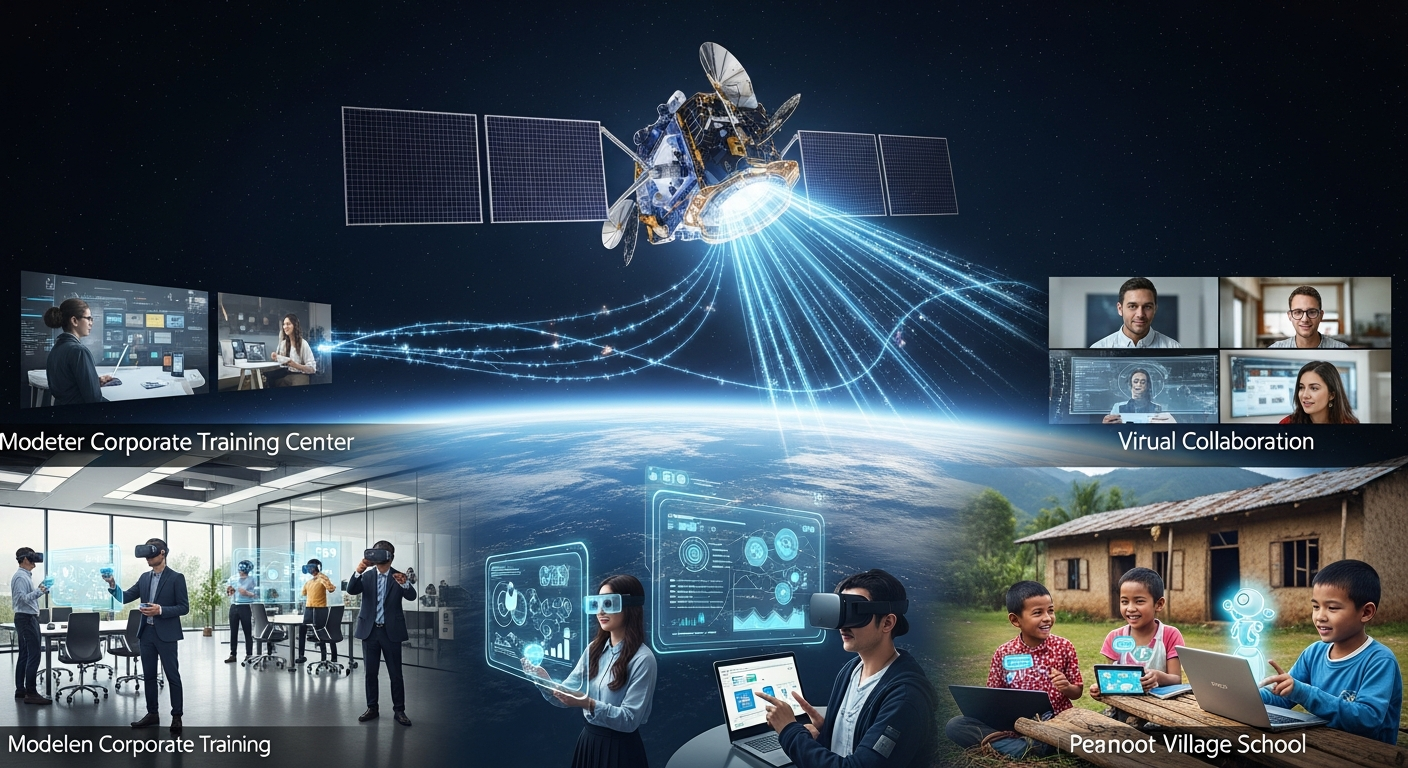
That’s exactly where SCORM starts to show its limits. Not because SCORM is “bad,” but because learning today is bigger than the LMS. People learn in the flow of work: through practice, simulations, short refreshers, manager coaching, and real decisions on the job.
So when we say “SCORM isn’t enough,” we simply mean this:
We want to measure learning as behavior and decision-making—not just content consumption.
Let’s break the new terms down in plain English.
First, the simple definitions: SCORM vs. xAPI vs. cmi5
SCORM: Solid for “LMS-based tracking”
SCORM typically answers questions like:
-
Did the learner launch the course?
-
Did they finish it?
-
Did they get a score?
For compliance and basic tracking, that’s useful.
But SCORM struggles when learning happens outside the LMS—or when you want richer data, like:
-
Which scenario choice was most risky?
-
Where did learners hesitate?
-
What did they practice between sessions?
xAPI: “Learning happens everywhere”
xAPI (Experience API) was created with a different mindset:
learning is not only a course—it’s an experience.
With xAPI, you can record learning activities such as:
-
Completing a simulation
-
Making decisions in a branching scenario
-
Finishing a job task (with evidence)
-
Completing micro-practice after training
-
Reviewing a short reinforcement reminder
The big idea: track meaningful learning experiences across systems, not just within the LMS.
cmi5: “A more structured way to use xAPI with courses”
cmi5 is often easiest to understand like this:
If xAPI is flexible and powerful, cmi5 adds order and structure, especially for course-style content that still needs to run cleanly with an LMS.
Think of cmi5 as a bridge:
-
The discipline of “course packages” (like SCORM)
-
With the richer event tracking of xAPI
What is a Learning Record Store (LRS)?
An LRS (Learning Record Store) is basically a learning data hub.
It collects learning records coming from different places:
-
LMS courses
-
Simulations
-
Mobile learning
-
Performance support tools
-
Assessments and scenario checks
-
Even job-based practice tasks
Instead of having learning data scattered across systems, an LRS helps you:
-
Store it consistently
-
Combine it
-
Analyze it
-
Report impact across journeys (not just single modules)
This is where measurement becomes more real.
Why organizations care about this now
Because learning is no longer “one event per year.”
It’s becoming a learning journey:
-
Short learning pieces
-
Ongoing practice
-
Scenario decisions
-
Spaced reinforcement
-
Coaching conversations
-
Quick checks that keep skills alive
If your learning model looks like a journey, your measurement model needs to do the same.
SCORM alone usually tells you: “They completed the module.”
But it doesn’t tell you: “They improved decision quality over time.”
Three practical starting scenarios (so you don’t overcomplicate it)
1) “We mainly need compliance tracking”
SCORM can still do the job.
But here’s the upgrade: don’t stop at completion.
Add short scenario checks (2–3 minutes) to see whether people can make the right call—especially for high-stakes topics.
2) “We train teams with high decision pressure (sales, service, operations)”
This is where richer tracking matters most.
You’re not just teaching facts; you’re building reflexes:
-
How to respond to an objection
-
What to do when something looks suspicious
-
Which step to follow under pressure
-
When to escalate
xAPI-style thinking fits well here because it can capture learning through practice and decisions, not just video watching.
3) “We want LMS structure, but richer learning data too”
cmi5 often makes sense when you want:
-
course discipline and packaging
-
smoother LMS alignment
-
and modern tracking benefits beyond SCORM
The EdTech Türkiye lens: Measure decision quality, not only completion
Here’s the simplest upgrade in mindset:
Don’t ask only “Did they finish?”
Ask: “Are they making better decisions afterward?”
That’s why short micro-measurements are powerful. For example, with tools like tested.com.tr, you can run:
-
2–3 minute scenario checks
-
Reinforcement checks after 1 week
-
Team-based decision quality tracking over time
This helps you see what SCORM can’t easily show:
-
Where risk remains high
-
Which scenario patterns repeat
-
What needs reinforcement
-
Whether learning sticks
A simple “next step” checklist
If you’re exploring SCORM alternatives, don’t start with technology. Start with your measurement questions:
-
What decisions must improve?
-
What mistakes must decrease?
-
What behavior should repeat under pressure?
-
What data do we need to prove impact?
Then decide whether SCORM alone is enough—or whether you need richer tracking via xAPI/cmi5 and an LRS approach.
Editor’s note (EdTech Türkiye)
SCORM isn’t “out.” It’s just not the full story anymore.
Modern learning is increasingly:
-
Continuous
-
Experience-based
-
Practice-driven
-
Measurable through signals, not just completions
If you want real impact, you need a measurement approach that can follow learning where it actually happens: in the flow of work.