


















What Apple’s March Launch Means for the Future of EdTech
Explore how Apple's upcoming MacBook, iPad, and iPhone models will impact the education technology world. Discover exciting innovations for students and educators.
 Berkay Batallı
As calendars turn to March 4th, the eyes of the technology world will once again be on Apple. Like every launch, this event isn't just for consumer electronics enthusiasts; it's also of keen interest to the education technology sector. So, how will the long-awaited new iPads, MacBooks, and even budget-friendly iPhone models transform our learning experiences?
Let's take a closer look at these exciting developments together.
One of the most talked-about topics at Apple's March event will undoubtedly be the new MacBook Pro models. According to whispers from industry insiders, these next-generation computers, powered by M5 Pro and M5 Max chips, promise significantly higher performance.
What does this mean for professionals and students in the field of education? Artificial Intelligence-supported learning platforms, complex simulation software, Augmented Reality, and Virtual Reality content will now run much more smoothly. Especially for students studying fields like engineering, architecture, design, and computer science, this power signifies a tool that will elevate their projects and research to an entirely new level.
Let's also take a look at the affordable technology side. Leaks from Bloomberg suggest that Apple is working on a budget-friendly MacBook model. If true, this could be a game-changing move for the world of education! Until now, the prices of Mac computers have created an accessibility barrier for many students and educational institutions. However, a more affordable MacBook, powered by an iPhone A18 Pro processor, could provide much wider student access. With its 13-inch screen and 8 GB of memory, it appears to be a fantastic option for basic academic tasks, online classes, and digital content consumption. And with colorful case options, it's certainly poised to capture students' interest, wouldn't you agree?
Of course, when we talk about mobile learning, one of the first things that comes to mind is the iPhone. Apple is also expected to unveil its new iPhone 17e model at this event. Anticipated to come with an affordable price tag, this phone will be equipped with an A19 chip and up-to-date wireless connectivity technologies. We know how important mobile learning is for students and educators. Mobile phones play a critical role in accessing course materials, interactive applications, learning games, and instant communication. A more accessible iPhone model holds the potential to reduce the digital divide and enable more people to access quality educational content.
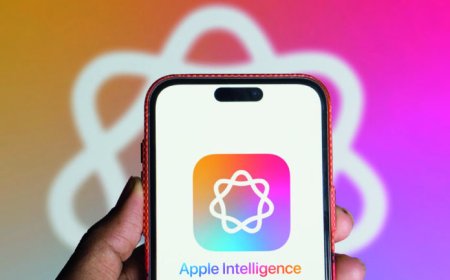
And of course, iPads! As indispensable tools in the education sector, iPads are also preparing to appear with new versions. The upgrade of the base iPad model from an A16 to an A18 chip particularly suggests it could feature Apple Intelligence integration. This opens the door to a future where students and educators can utilize Artificial Intelligence-powered tools much more effectively, receive personalized feedback, and optimize content creation processes. The iPad Air, meanwhile, is expected to transition from an M3 to an M4 chip, which will elevate creative learning experiences and performance on tablets to an entirely new level.
In short, Apple's upcoming event appears to be more than just introducing new devices. With more powerful processors, budget-friendly options, and Artificial Intelligence integration, it could open brand new doors for digital learning and distance education. More accessible, more powerful, and smarter tools for educators and students will undoubtedly enrich their learning journeys. As EdTech Turkey, we will continue to closely follow the reflections of these innovations on the sector.
EdTech Turkey Editor Note
These potential product launches from Apple could shift the balance in the education technology market. Particularly, the increase in affordable options will accelerate the digital education transformation in Turkey by widening access to quality technology.