






















ADDIE Model in Education: A Comprehensive Guide
Explore the ADDIE model, a powerful framework for effective training program design. Learn how to analyze, design, develop, implement, and evaluate learning.
 Berkay Batallı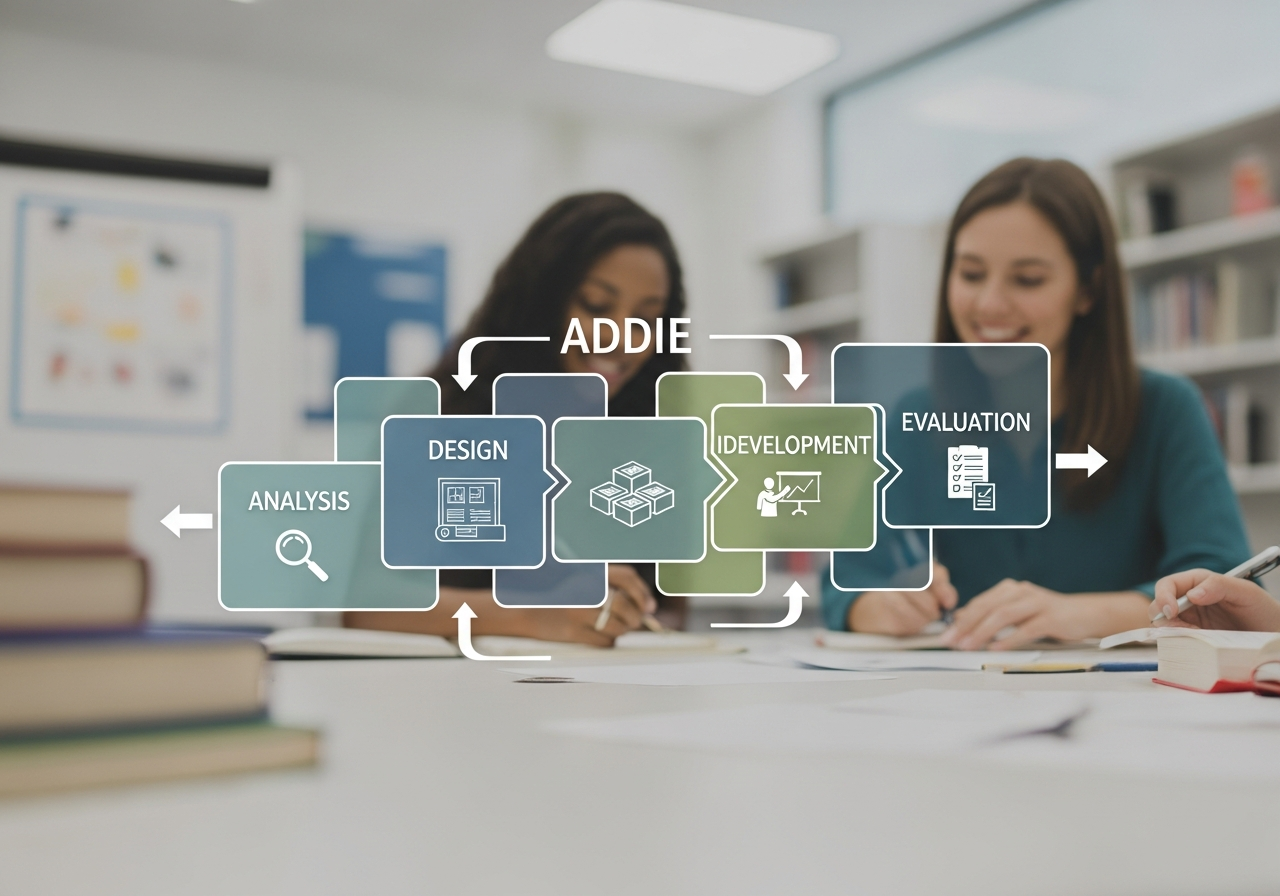
What is the ADDIE Model in Education and Why is it Important?
In today's rapidly evolving world of educational technology (EdTech), creating training programs that lead to truly measurable learning outcomes is becoming an increasingly significant challenge. So, what sets high-performance training apart from the rest? Structured Instructional Design (ID) is key to the solution, and ADDIE is the most respected and scientifically supported framework used. In this article, we will explore what the ADDIE model is, why it is still important, and how you can integrate it into your training processes.
What Exactly is the ADDIE Model?
The ADDIE Model is a five-stage framework for creating education and training initiatives. ADDIE consists of the initials of the following words:
- Analyze
- Design
- Develop
- Implement
- Evaluate
ADDIE provides a systematic approach to identifying learning needs, creating effective training materials, and evaluating the impact of learning. As a teacher or training manager, you can make your training programs more efficient and effective by using the ADDIE model.
What are the Stages of the ADDIE Model and What is Done in Each?
The ADDIE model consists of five basic stages:
Analyze: Understanding Needs and Goals
Before you start creating content, you need to know who your students are, what their needs are, and what results you want to achieve. The analysis phase involves gathering information about learners, setting learning objectives, and identifying performance gaps that need to be addressed through training. For example, if you are creating an online training course for a sales team, your research may show that the team's inability to negotiate effectively prevents them from closing big deals. In this case, the goal might be to increase negotiation success rates by a certain percentage.
Design: Creating the Learning Plan
After analyzing the needs, it's time to plan how learning will take place. Your lesson plan, assessment approach, and course structure take shape during the design phase. This phase ensures that your learning resources are aligned with the objective, visually appealing, and educationally sound. As a teacher, you decide at this stage which teaching strategies (simulations, quizzes, videos, etc.) you will use.
Develop: Creating and Testing the Content
This is the stage where you create the training materials according to the plan you created in the design phase. This may involve creating videos, designing interactive exercises, preparing quizzes, and uploading content to the learning management system (LMS). During the development phase, it is important to conduct tests to ensure that the content is technically accurate and accessible to students.
Implement: Delivering and Managing the Training
After creating the training materials, you move on to the stage of delivering and managing the training to students. This may involve launching online training courses, organizing classroom training sessions, providing students with access to materials, and providing technical support. During the implementation phase, it is important to encourage students to participate in the training and facilitate the learning process.
Evaluate: Measuring Effectiveness and Improving
After the training is completed, it is important to evaluate its effectiveness. This means measuring whether learning objectives have been achieved, collecting student feedback, and identifying areas for improvement in the training. Based on the evaluation results, the training content, design or implementation methods can be updated to make future training more effective.
How is the ADDIE Model Used in Training Processes?
The ADDIE model can be used in a variety of educational settings. Whether a teacher is designing an online course, an in-house training program, or a workshop, they can create a more effective and efficient training process by following the steps of the ADDIE model. The flexibility of the model allows it to adapt to different needs and resources.