















Human and Machine Collaboration in the Artificial Intelligence Era: New Competency Models for Turkey
Discover how organizations in Turkey are transforming competency models and the future of human and machine collaboration in the Artificial Intelligence era. Explore practical steps for organizations and Learning and Development professionals.
 Berkay Batallı
Human and Machine Collaboration in the Artificial Intelligence Era: What Do New Competency Models Offer?
The pace of digital transformation is fundamentally altering today's business world. One of the most powerful drivers of this transformation is undoubtedly Artificial Intelligence. Reshaping traditional business practices and competency expectations, Artificial Intelligence creates both great opportunities and new challenges for organizations. Organizations in Turkey are also focusing on collaboration between Artificial Intelligence and human talent to keep pace with this change, gain a competitive advantage, and prepare the future workforce today. So, what competency models do we need to succeed in this new era, and what role should Learning and Development professionals play in this process?
How is Artificial Intelligence transforming corporate competency modeling?
With the rise of Artificial Intelligence technologies, organizations' competency modeling is also undergoing significant evolution. Now, mere technical knowledge or expertise in a specific area is no longer sufficient; employees' abilities to work harmoniously with Artificial Intelligence systems, interpret the data they provide, and even manage these systems are coming to the forefront. As routine and repetitive tasks are undertaken by Artificial Intelligence, organizations expect human employees to focus on higher-level competencies such as strategic thinking, innovation, and problem-solving. This situation necessitates a re-evaluation of competency matrices and the creation of more flexible and adaptable models for the future.
How do human-centric talents merge with Artificial Intelligence?
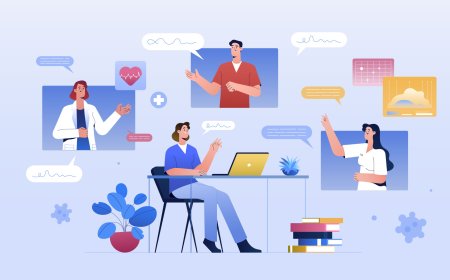
The development of Artificial Intelligence technologies, rather than diminishing the importance of human talents, carries them to a different dimension. While machines can quickly analyze large datasets and perform complex calculations instantly, humans possess unique qualities such as emotional intelligence, empathy, ethical reasoning, and cultural understanding. The synergy arising from the combination of these two forces enables organizations to produce more innovative solutions and create a more humane work environment. For example, while an Artificial Intelligence-based customer service system quickly classifies and directs customer complaints, the human role is to resolve more complex or sensitive situations with a personal approach and enhance customer loyalty.
What steps should organizations in Turkey take to develop Artificial Intelligence competencies?
For organizations in Turkey to fully benefit from the opportunities brought by the Artificial Intelligence era, taking proactive steps is critically important. First, existing competency inventories must be established, and competencies such as Artificial Intelligence literacy and data analysis skills, which will be needed in the future, must be identified. Subsequently, comprehensive reskilling and upskilling programs should be designed for employees. These programs should include not only technical training but also topics such as Artificial Intelligence ethics, algorithmic thinking, and Artificial Intelligence-supported decision-making processes. Gaining direct experience with new technologies through pilot projects and supporting the learning process with practical applications will be of great benefit.
What role do Learning and Development professionals play in this new competency model?
Learning and Development professionals are positioned as the architects of organizations' competency transformation in the Artificial Intelligence era. Their role is not limited to organizing training programs; it also involves developing Artificial Intelligence integration strategies aligned with the organization's strategic goals, fostering a learning culture, and preparing employees for change. By utilizing Learning Management Systems and other educational technologies, they can create personalized learning pathways and offer more interactive training through Artificial Intelligence-supported simulations and virtual reality environments. Their role is transforming from a passive training provider to a strategic partner shaping the organization's future.
What are the core Artificial Intelligence literacy skills shaping the future workforce?
Artificial Intelligence literacy is no longer a competency exclusive to technology experts; it is becoming essential for every professional. This involves understanding what Artificial Intelligence is, how it works, its potential, and its limitations, rather than merely having coding skills. Core Artificial Intelligence literacy skills include understanding the fundamental principles of Artificial Intelligence, data literacy (understanding and interpreting data), algorithmic thinking, and knowledge of Artificial Intelligence ethical principles. By ensuring their employees possess these core skills, organizations can transform them into individuals who can effectively use Artificial Intelligence-supported tools, question the information provided by Artificial Intelligence, and integrate it into business processes.
What competencies are prominent for Artificial Intelligence-enhanced decision-making processes?
Although Artificial Intelligence offers revolutionary contributions to our decision-making processes, the ultimate decision-maker is always human. Therefore, specific human-centric competencies become much more critical in Artificial Intelligence-enhanced decision-making processes. Critical thinking, complex problem-solving, and a strategic perspective are paramount among these competencies. It is crucial to accurately interpret big data analyses and predictions obtained from Artificial Intelligence systems, identify potential biases, and evaluate the results in line with the organization's values and goals. Humans can make more informed and effective decisions based on Artificial Intelligence's insights, while also accounting for nuances and human factors that Artificial Intelligence might overlook.
EdTech Turkey Note
The impact of Artificial Intelligence in the business world is continuously transforming our competency models. For organizations in Turkey to play a leading role in this change, they must reshape their Learning and Development strategies with Artificial Intelligence integration. As EdTech Turkey, we will continue to guide you on this transformation journey.