








Apple's EdTech Steps: A New Era of Digital Maturity in Turkey?
Apple's six new products are poised to impact Turkey's education ecosystem and digital learning processes. New generation hardware and Artificial Intelligence capabilities are accelerating our journey towards digital maturity in education. We explore the potential shifts.
 Kadir Odunkıran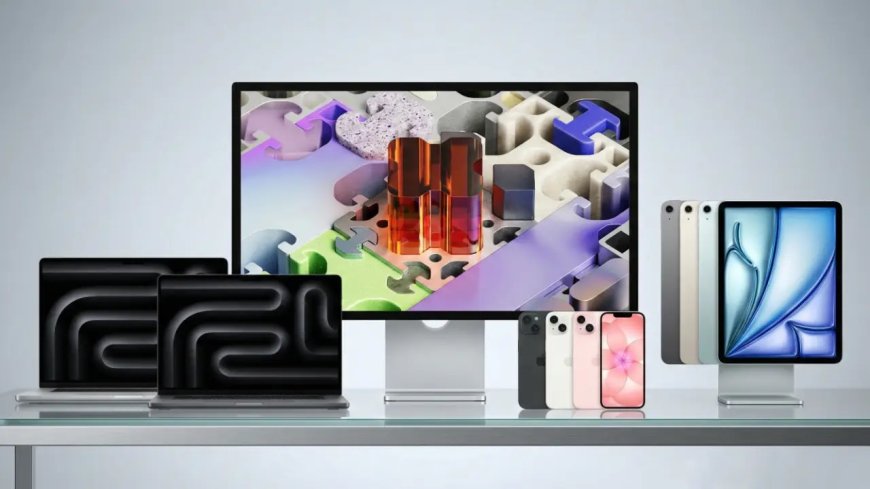
Apple's EdTech Steps: Is a New Era of Digital Maturity Beginning?
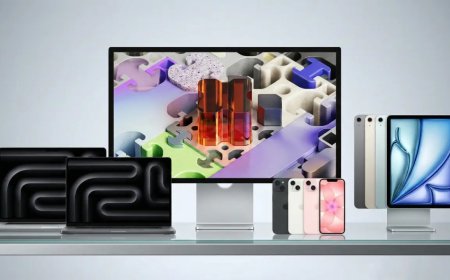
The first week of March 2026 saw a flurry of activity in the technology world with Apple's announcements. Instead of its usual large launch events, the company introduced six new products through a series of press releases. But will these products only impact the consumer electronics market, or do they hold significant implications for Turkey's education ecosystem?
As a country aiming for digital maturity in education, it is crucial to question how new generation hardware and software will integrate into classrooms and enhance the experiences of teachers and students. Specifically, how might new chips equipped with Artificial Intelligence capabilities and more affordably priced devices transform learning processes?
Highlights for the Education Ecosystem:
Among the products Apple introduced, several points stand out from an education technology perspective:
- iPhone 17e: Accessible Technology, Ample Storage
A entry-level phone coming with 256 GB of storage and MagSafe support is a significant step for students' and teachers' content creation and storage needs. Access to more cost-effective devices, particularly for use in public schools or distance education in Turkey, could support digital learning equality. - iPad Air M4: Artificial Intelligence-Powered High Performance
The iPad Air, featuring the M4 chip, particularly excels in Artificial Intelligence tasks. This means students can experience a smoother workflow in complex projects, simulations, or Augmented Reality applications. For teachers, content development and interactive lesson material creation processes could become more efficient. - MacBook Air M5: Smart and Lightweight Configuration
The MacBook Air, with its M5 processor and 512 GB starting storage, can meet the needs of both students and academics in terms of portability and performance. Wi-Fi 7 support will adapt to future high-speed internet infrastructure, facilitating seamless access to digital resources. - MacBook Pro M5 Pro & M5 Max: For Professional Education and Production
For students or researchers in fields requiring high performance, MacBook Pros with M5 Pro and M5 Max processors can revolutionize 3D modeling, video editing, and Artificial Intelligence-based research. These devices can play a significant role in the 'create-share-measure' cycle, especially in engineering, design, and computer science faculties at universities. - Studio Display XDR: Visual Richness and Detail-Oriented Learning
The new Studio Display XDR, with its high-resolution and color-accurate screen, promises a unique experience for students in visually oriented fields such as fine arts, architecture, and medicine. Learning through detailed visuals and simulations can make knowledge more enduring.
Potential Impacts and Future Scenarios in the Turkish Context:
Considering the digital learning strategies of institutions like the Milli Eğitim Bakanlığı (MEB - Turkish Ministry of Education) and Yükseköğretim Kurulu (YÖK - Council of Higher Education) in Turkey, Apple's new product range offers opportunities for strengthening hardware infrastructure. Especially for 2026 and beyond, with the widespread adoption of Artificial Intelligence-powered personalized learning platforms, the need for such high-performance devices will increase. Developing the digital literacy skills of students and teachers and their effective use of these new tools will be one of the most crucial factors in elevating the level of digital maturity in education.
However, the widespread adoption of these technologies may also bring some challenges. Issues such as device costs, sustainable infrastructure, and technical support are topics the Turkish education ecosystem needs to address. The key is to view technology merely as a tool and to focus on enriching the learning experience with a human-centric approach. These new products, rather than creating a 'revolution,' can provide strong momentum to our existing digital learning journey.
As EdTech Turkey, we will continue to closely follow the reflections of these developments within the Turkish education ecosystem. Let us remember that technology is not an end in itself, but a powerful tool for a better learning experience.
EdTech Turkey Editor Note
Apple's latest moves not only demonstrate hardware power but also the potential to shape future learning paradigms through Artificial Intelligence integration. How the Turkish education ecosystem will adapt to these developments and produce its unique solutions will be one of the most critical issues in the upcoming period.