















AI in Education: Transforming Learning with Artificial Intelligence
Explore how artificial intelligence is revolutionizing education, creating personalized learning experiences and increasing efficiency for teachers. Discover how AI caters to individual needs and automates tasks.
 Berkay Batallı
How Artificial Intelligence is Transforming Education
Artificial intelligence (AI) is creating a groundbreaking transformation in education. It is reshaping the experiences of both students and teachers by making learning more personalized, efficient, and accessible. In this blog post, we will delve into the role of artificial intelligence in education and the opportunities it offers.
Is Personalized Learning Possible with Artificial Intelligence?
The Power of Personalized Learning
In traditional education systems, all students had to follow the same curriculum at the same pace. However, each student has different learning speeds, styles, and interests. Artificial intelligence takes these differences into account and offers personalized learning experiences.
How Does Artificial Intelligence Create Student Profiles?
Artificial intelligence algorithms create detailed student profiles by analyzing students' learning habits, strengths, and weaknesses. Thanks to these profiles, personalized learning materials, exercises, and feedback can be provided for each student.
Practical Application Example
Let's consider a math teacher. Using an artificial intelligence-powered platform, they can easily see which topics each student is struggling with and which topics they grasp more quickly. For example, if a student is having difficulty with fractions, the platform automatically provides additional exercises and explanations related to this topic. If another student quickly understands fractions, they can move on to more advanced topics. In this way, each student has the opportunity to learn at their own pace and according to their own needs.
Does Artificial Intelligence Increase Efficiency for Teachers?
Getting Rid of Repetitive Tasks
Teachers often struggle with time-consuming tasks such as grading, checking homework, and tracking student progress. Artificial intelligence automates these tasks, allowing teachers to focus on more strategic and creative work.
Automated Grading and Feedback
Artificial intelligence-powered grading tools can automatically evaluate different types of assignments, such as multiple-choice exams, short answer questions, and even essays. These tools not only mark correct answers but also analyze students' mistakes and provide personalized feedback.
Practical Application Example
An English teacher can upload students' essays to an artificial intelligence-powered platform. The platform automatically detects grammatical errors, spelling mistakes, and expression disorders in the texts. It also offers suggestions for improving students' word choices and sentence structures. The teacher can review this feedback and help students in a more comprehensive and effective way.
How Does Artificial Intelligence Increase Accessibility?
Equal Opportunity in Education
Artificial intelligence increases equal opportunity in education by facilitating access to education for students with disabilities and students living in disadvantaged regions.
Solutions for Students with Special Needs
Artificial intelligence-powered applications can read texts aloud for visually impaired students, convert conversations into text for hearing-impaired students, and simplify learning materials for students with learning disabilities.
Practical Application Example
A special education teacher can use an artificial intelligence-powered reading program for a student with dyslexia. This program is specifically designed to increase the student's reading speed and comprehension skills. The program can display texts in a larger font, increase the spaces between words, and provide a text-to-speech feature. The teacher can track the student's progress and adapt the program to the student's needs.
Is Learning More Interactive with Augmented Reality and Virtual Reality?
Immersive Learning Experiences
Augmented reality (AR) and virtual reality (VR) offer students the opportunity to concretize abstract concepts and simulate events that they cannot experience in the real world. These technologies make learning more engaging and memorable.
Virtual Laboratories and Historical Tours
Thanks to AR and VR, students can perform dangerous or costly experiments in a safe environment, virtually visit historical sites, and examine complex anatomical structures in detail.
Practical Application Example
A science teacher can let their students experience a volcanic eruption in a virtual reality environment. Students can examine the internal structure of the volcano, watch the lava flow, and observe the environmental effects of the eruption. In this way, they not only read about volcanoes but also understand them better by experiencing them visually and auditorily.
How Does Artificial Intelligence Support Learning by Providing Real-Time Feedback?
Instant Assessment and Intervention
Artificial intelligence systems continuously track students' progress in the learning process and provide instant feedback. In this way, students can immediately recognize and correct their mistakes.
Personalized Support and Guidance
Artificial intelligence identifies the topics students are struggling with and provides additional resources, explanations, or exercises. It can also make suggestions about career or educational options based on students' interests and abilities.
Practical Application Example
A coding teacher can test the code written by students on an artificial intelligence-powered platform. The platform automatically detects errors in the code and provides students with correction suggestions. Students can learn faster and write better code by seeing their mistakes instantly.
What are the Challenges Facing Artificial Intelligence in Education?
Data Privacy and Security
Artificial intelligence systems collect and analyze students' personal data. The privacy and security of this data are of great importance. Schools and educational institutions must take the necessary measures regarding data security and protect students' data.
Inequality in Access
Access to artificial intelligence technologies may not be equal for all students. Students living in disadvantaged regions or with limited financial means may not benefit sufficiently from these technologies. The government, the private sector, and non-governmental organizations must cooperate to eliminate this inequality.
The Importance of the Human Factor
Artificial intelligence cannot replace teachers. Teachers not only transfer knowledge to students but also inspire, motivate, and guide them. Artificial intelligence should be used as a tool to facilitate teachers' work, and the importance of the human factor should never be ignored.
How Can Educators Integrate Artificial Intelligence Responsibly?
Ethical Principles and Guidelines
Ethical principles and guidelines should be established regarding the use of artificial intelligence in education. These principles should ensure data privacy, fairness, transparency, and accountability.
Teacher Training
Teachers should be trained to use artificial intelligence technologies effectively. These trainings should teach teachers how artificial intelligence tools work, how to integrate them, and how to evaluate them.
Continuous Evaluation and Improvement
The effectiveness and benefits of artificial intelligence systems should be continuously evaluated. These evaluations should provide feedback for improving and developing the systems.
Does Learning Become Goal-Oriented with Artificial Intelligence?
Evaluating Student Progress
Artificial intelligence provides valuable tools for evaluating student progress and adapting learning experiences to individual needs. Systems analyze students' learning styles to create personalized education experiences.
Tracking Development and Progress
Content tailored to students is recommended by determining learning preferences, tracking skill development, and tracking progress rates. Thanks to these profiles, artificial intelligence tools provide real-time feedback and continuously improve the learning experience.
Which Applications Offer Effective Learning with Artificial Intelligence?
Natural Language Processing (NLP)
NLP plays an important role in improving language learning and writing skills. It helps students improve their communication skills in real time by providing instant feedback. NLP systems analyze texts to highlight grammatical errors, make suggestions on word choice, and even help structure ideas.
Machine Learning (ML)
ML makes personalized learning possible in education by adapting educational content to the needs of each student. It creates special experiences by analyzing students' learning behaviors and performance data. ML adjusts the difficulty and pace of lessons according to the student's responses, tracks progress, identifies knowledge gaps, and provides resources to support these areas.
Computer Vision
Computer vision supports augmented reality (AR) and virtual reality (VR) tools, making learning more immersive. It is especially useful for topics that require visual and hands-on approaches. Students can conduct virtual experiments, visit historical sites, or explore complex topics interactively. AR and VR allow students to interact with virtual objects, observe chemical reactions, or examine anatomical models.
Where is Artificial Intelligence Going in Education?
The Classrooms of the Future
Artificial intelligence points to a more targeted and effective future in education. However, ethics, fairness and human connection must be prioritized. Using artificial intelligence technologies responsibly in education can enrich the learning experience, support teachers, and help each student realize their potential.
What are the Potential Risks of Artificial Intelligence in Education?
Algorithmic Bias
Artificial intelligence algorithms may contain biases depending on the data they are trained on. This can cause certain student groups to be disadvantaged. Algorithms must be carefully designed and tested to ensure they are fair and impartial.
Technological Dependence
Excessive dependence on artificial intelligence technologies can prevent students from developing essential skills such as critical thinking, problem solving, and creativity. Teachers should use artificial intelligence tools to support students' learning process and help them develop independent thinking and learning skills.
Social Isolation
Artificial intelligence-supported learning environments can reduce students' social interaction and lead to social isolation. Teachers should help students develop their social skills by encouraging them to work on group projects, participate in discussions, and interact with each other.
How Will the Future of Artificial Intelligence Use in Education Be Shaped?
Smart Content
Artificial intelligence can automatically adapt learning materials to students' needs. In this way, special textbooks, exercises and exams can be created for each student.
Learning Analytics
Artificial intelligence can provide valuable information to teachers by analyzing students' learning behaviors. This information can help teachers understand students' strengths and weaknesses and adjust their teaching strategies accordingly.
Virtual Teachers
Artificial intelligence can create virtual teachers that offer students personalized learning experiences. These virtual teachers can provide 24/7 support to students, answer their questions and guide them.
How Will Artificial Intelligence Revolutionize Education?
Education for Everyone
Artificial intelligence can increase equal opportunity in education by ensuring that everyone has access to quality education. Students with disabilities, students living in disadvantaged regions, and adults can continue their education thanks to artificial intelligence-supported learning environments.
Better Learning Outcomes
Artificial intelligence can improve students' learning outcomes by making learning more personalized, interactive and accessible. Students can be more motivated, more successful and happier in artificial intelligence-supported learning environments.
Innovation in Education
Artificial intelligence can promote innovation in education by enabling the development of new teaching methods and learning environments. Teachers can design more creative lessons using artificial intelligence tools, attract students' attention and motivate them.
What are the Recommendations Regarding the Role of Artificial Intelligence in Education?
Transparency and Accountability
There should be transparency about how artificial intelligence systems work and make decisions. Also, it should be determined who is responsible for the decisions of these systems.
Human Oversight
Artificial intelligence systems should operate under human supervision. Teachers should review the decisions of artificial intelligence systems and intervene when necessary.
Continuous Improvement
Artificial intelligence systems should be continuously evaluated and improved. In this way, the effectiveness and benefits of the systems can be increased.
How Does Artificial Intelligence Personalize Learning Styles in Education?
Visual Learners
For visual learners, artificial intelligence-supported platforms can offer visual content such as infographics, videos and animations. This content can help students understand and remember information more easily.
Auditory Learners
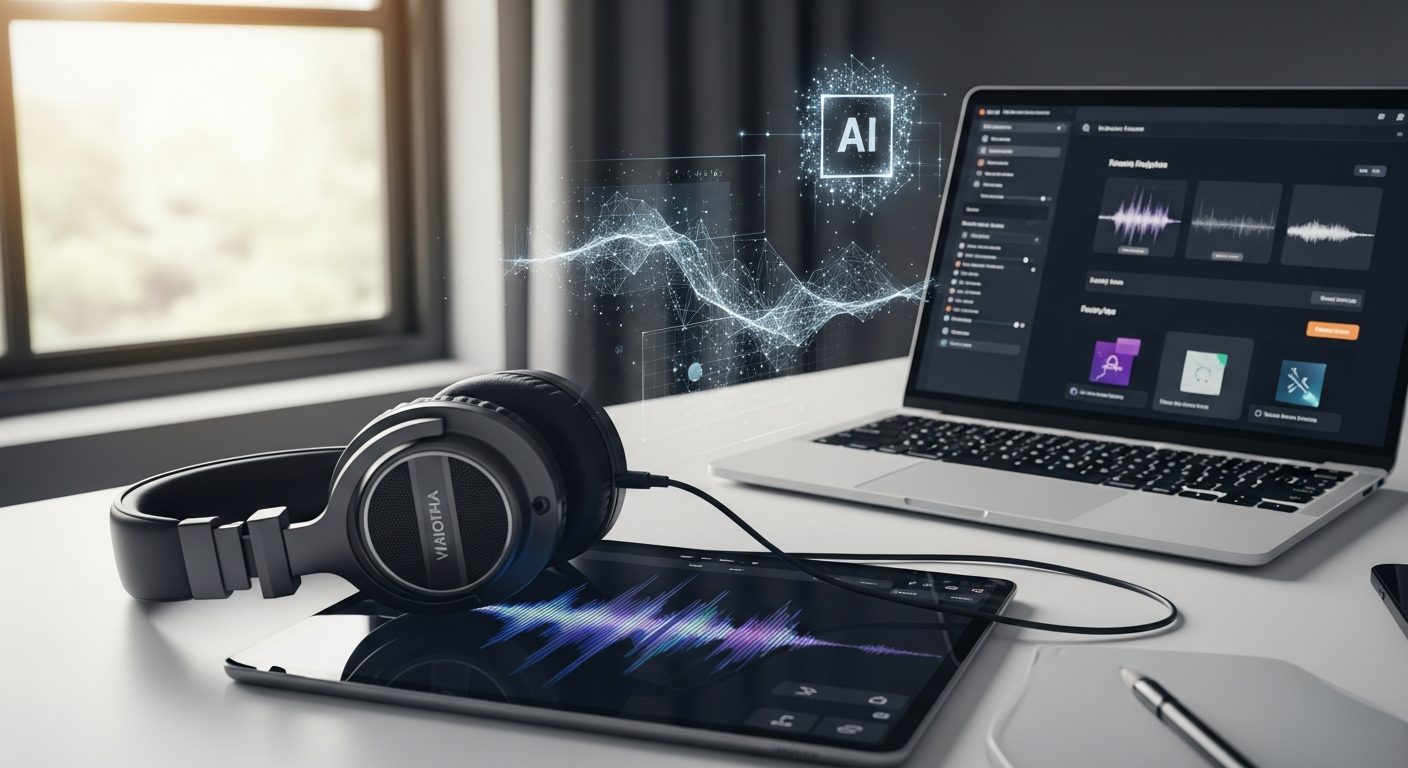
For auditory learners, artificial intelligence-supported platforms can offer auditory content such as audio books, podcasts and discussion groups. This content can help students learn by listening to information.
Kinesthetic Learners
For kinesthetic learners, artificial intelligence-supported platforms can offer hands-on activities such as interactive simulations, games and experiments. These activities can help students learn by experiencing information.
Which New Skills and Abilities Does Artificial Intelligence Develop in Education?
Data Literacy
Artificial intelligence can help students develop their data literacy skills. Students can learn data collection, analysis and interpretation skills thanks to artificial intelligence-supported platforms.
Algorithmic Thinking
Artificial intelligence can help students develop their algorithmic thinking skills. Students can learn problem solving, strategy development and decision making skills thanks to artificial intelligence-supported platforms.
Artificial Intelligence Ethics
Artificial intelligence can help students become aware of artificial intelligence ethics. Students can learn about the potential risks and benefits of artificial intelligence, ethical principles and responsibilities thanks to artificial intelligence-supported platforms.
How Can Teachers Use Artificial Intelligence Better?
Understanding Artificial Intelligence in Education
Teachers should understand what artificial intelligence is, how it works and its potential in education. This knowledge will help teachers use artificial intelligence tools more effectively.
Selecting Artificial Intelligence Tools
Teachers should select artificial intelligence tools that are suitable for students' needs and learning goals. These tools should support students' learning process, increase their interest and motivation.
Integrating Artificial Intelligence Tools
Teachers should integrate artificial intelligence tools into their lessons. This integration should enrich students' learning experience and enable them to be more active and participatory.
Guiding Students
Teachers should guide students on how to use artificial intelligence tools. This guidance will help students use artificial intelligence tools effectively, think critically and understand their ethical responsibilities.
How Can We Minimize the Risks of Using Artificial Intelligence in Education?
Protecting Data Privacy
The privacy of student data used in artificial intelligence systems should be protected. The security of this data should be ensured, unauthorized access should be prevented and it should only be used for educational purposes.
Preventing Algorithmic Bias
It should be ensured that artificial intelligence algorithms do not contain bias. Algorithms should treat different student groups fairly and impartially and should not cause discrimination.
Ensuring Human Control
The decisions of artificial intelligence systems should be under human control. Teachers should review the decisions of artificial intelligence systems and intervene when necessary. Artificial intelligence should not replace teachers, it should be used as a tool to facilitate their work.
Continuous Evaluation
The effectiveness and benefits of artificial intelligence systems should be continuously evaluated. These evaluations should provide feedback for improving and developing the systems.
What are the Success Stories of Artificial Intelligence in Education?
Success with Personalized Learning
Some schools have significantly increased students' academic achievements by using artificial intelligence-supported personalized learning platforms. These platforms have enabled students to learn faster and more effectively by offering learning experiences tailored to their needs.
Support for Students with Disabilities
Artificial intelligence has facilitated access to education for students with disabilities. Artificial intelligence applications that read texts aloud for visually impaired students, convert conversations into text for hearing impaired students, and simplify learning materials for students with learning disabilities have helped these students to be more successful in education.
Increasing Teacher Productivity
Artificial intelligence has increased teachers' productivity. Automatic grading tools have enabled teachers to save significant time and allowed them to focus on more strategic and creative work.
What Can Be Done for Better Use of Artificial Intelligence in Education?
Diversifying Data Sets
The data sets used to train artificial intelligence algorithms should represent different student groups. This will ensure that the algorithms do not contain bias and treat all students fairly.
Establishing Ethical Rules
Ethical rules should be established regarding the use of artificial intelligence in education. These rules should ensure data privacy, fairness, transparency and accountability.
Training Teachers
Teachers should be trained to use artificial intelligence technologies effectively. These trainings should teach teachers how artificial intelligence tools work, how to integrate them and how to evaluate them.
Continuous Evaluation
The effectiveness and benefits of artificial intelligence systems should be continuously evaluated. These evaluations should provide feedback for improving and developing the systems.
Why is Artificial Intelligence So Important in Education?
Personalized Learning
Artificial intelligence enables students to learn faster and more effectively by offering learning experiences tailored to the needs of each student.
Accessibility
Artificial intelligence increases equal opportunity in education by facilitating access to education for students with disabilities and students living in disadvantaged regions.
Productivity
Artificial intelligence automates teachers' repetitive tasks, allowing them to focus on more strategic and creative work.
Innovation
Artificial intelligence promotes innovation in education by enabling the development of new teaching methods and learning environments.
What are the Benefits of Artificial Intelligence in Education?
Better Learning Outcomes
Artificial intelligence improves students' learning outcomes by making learning more personalized, interactive and accessible.
Increased Motivation
Artificial intelligence-supported learning environments attract students' attention and motivate them.
Developing Skills
Artificial intelligence helps students develop essential skills such as critical thinking, problem solving and creativity.
Prepared Future
Artificial intelligence prepares students for the future workforce and helps them adapt to new technologies.
How to Achieve Success with Artificial Intelligence in Education?
Strategic Planning
Artificial intelligence projects should be aligned with the strategic goals of schools and educational institutions. Projects should meet the needs of students and teachers and deliver tangible results.
Collaboration
Artificial intelligence projects require collaboration between teachers, students, administrators, parents and technology experts. Projects should ensure the participation and support of all stakeholders.
Continuous Learning
Artificial intelligence technologies are constantly evolving. Teachers should be informed about these technologies and continuously develop themselves.
Evaluation and Improvement
Artificial intelligence projects should be evaluated and improved regularly. These evaluations should provide feedback to increase the effectiveness and benefits of projects.
Frequently Asked Questions (FAQ) About the Use of Artificial Intelligence in Education
Will artificial intelligence replace teachers?
No, artificial intelligence will not replace teachers. Artificial intelligence will be used as a tool to facilitate teachers' work and will enable them to focus on more strategic and creative work.
Is artificial intelligence suitable for all students?
Artificial intelligence may be suitable for all students. However, it may be more beneficial for some students. Teachers should select artificial intelligence tools that are suitable for students' needs and learning goals.
Is the use of artificial intelligence costly?
The cost of using artificial intelligence varies depending on the scope of the project and the technologies used. However, it should be noted that the use of artificial intelligence can reduce costs in the long run and improve learning outcomes.
Is artificial intelligence safe?
The security of student data used in artificial intelligence systems should be ensured. The confidentiality of this data should be protected and unauthorized access should be prevented.